
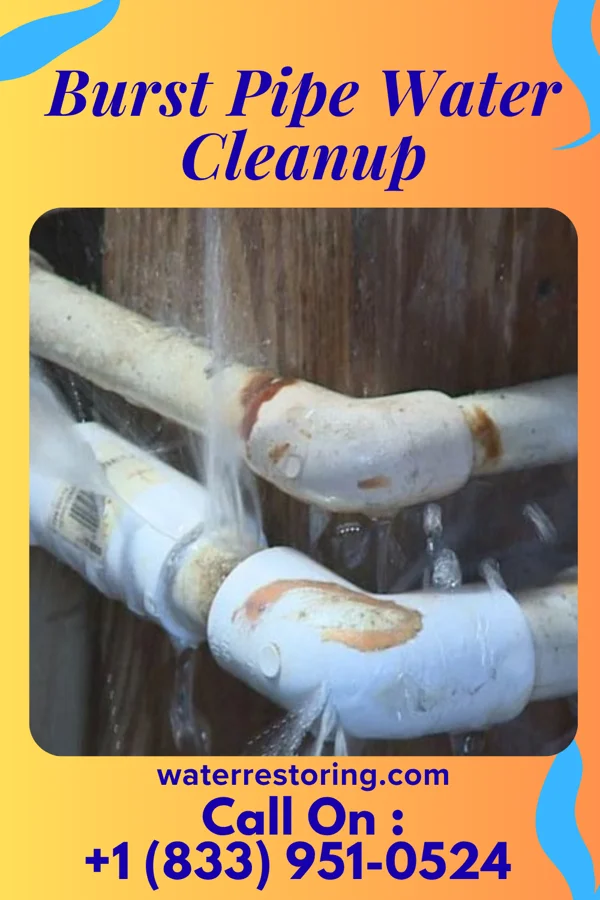
Why Burst Pipes Hit King City Hard
The pattern in King City is consistent. King City, Oregon, experiences frequent heavy rainfall and thunderstorms, which can lead to sudden water pressure surges in the municipal water supply. These weather patterns increase the likelihood of pipe bursts, especially in older infrastructure. The city's rural setting and proximity to Bull Mountain also contribute to uneven ground conditions that may affect underground piping. drives most of the emergency restoration calls we get. A close second is The region's proximity to cities like Tigard and Tualatin means that some residential areas in King City share water lines with nearby communities, increasing the risk of cross-contamination and cascading pipe failures. Additionally, the presence of agricultural land in the area can lead to soil movement that impacts underground utility lines..
King City's climate, characterized by wet winters and dry summers, plays a significant role in pipe burst risks. The region's frequent rainfall and occasional flooding create a challenging environment for maintaining water infrastructure.
King City's climate, characterized by wet winters and dry summers, plays a significant role in pipe burst risks. The region's frequent rainfall and occasional flooding create a challenging environment for maintaining water infrastructure. The dominant local driver is King City, Oregon, experiences frequent heavy rainfall and thunderstorms, which can lead to sudden water pressure surges in the municipal water supply. These weather patterns increase the likelihood of pipe bursts, especially in older infrastructure. The city's rural setting and proximity to Bull Mountain also contribute to uneven ground conditions that may affect underground piping., with The region's proximity to cities like Tigard and Tualatin means that some residential areas in King City share water lines with nearby communities, increasing the risk of cross-contamination and cascading pipe failures. Additionally, the presence of agricultural land in the area can lead to soil movement that impacts underground utility lines. showing up as the next most common cause. Damage builds in stages. Spread. Absorption. Microbial growth. Structural compromise. Every stage you pass through adds to the final bill.